Where AI Goes Wrong in Legal Work
Most lawyers already have access to AI tools like ChatGPT and Microsoft Copilot. The problem is not the technology. It’s how the work is structured around it. AI is now part of legal practice. But without clear workflows, it introduces inconsistency, unclear drafting, and avoidable risk. This is where structured implementation matters.
AI Generates the First Draft
Documents are produced quickly, often with acceptable structure and content.
Human Review and Correction
Lawyers adjust tone, fix issues, and refine the output based on legal intent.
Breakdown in the Workflow
Corrections are not always fully integrated into the final version of the document.
Hidden Risk Appears
Inconsistencies, unclear communication, and drafting errors remain undetected.
The issue is not the AI output. The issue is the workflow around it.

Real Workflows Used in Legal Practice
These workflows are based on how lawyers actually work. AI is not used in isolation — it is integrated into structured legal tasks to improve clarity, consistency, and control.
Client Email Drafting Workflow
Human draft → AI refinement → controlled simplification → final human review.
Clause Stress Test Workflow
Review clause → AI challenge → risk identification → refine wording.
Contract Summary Workflow
Select section → structured summary → risk scan → human validation.
Cross-Border Communication Workflow
Draft message → AI refinement → tone control → clarity check for international clients.
What This Work Focuses On
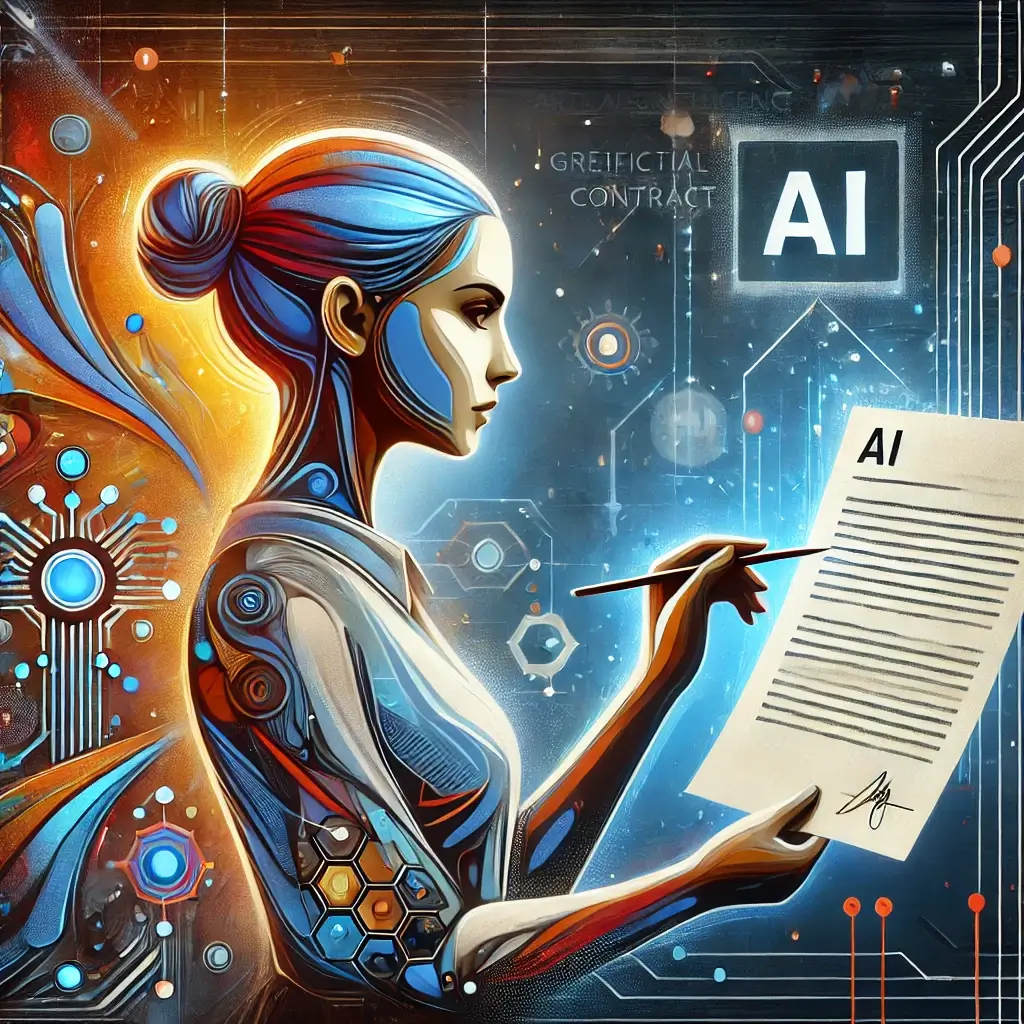
This is not generic AI training. It focuses on applying AI directly to real legal work — with structure, clarity, and control. Most AI training explains tools. Most legal English training focuses on language. This combines both inside real legal workflows.
Client Email Drafting
Improve tone, structure, and clarity in real client communication using controlled AI workflows.
Contract Review
Analyse agreements more efficiently while maintaining consistency, accuracy, and legal control.
Clause Analysis
Identify ambiguity, weaknesses, and hidden risks in legal drafting with structured AI support.
Document Summarisation
Extract key obligations, risks, and structure from complex legal material quickly and reliably.
AI is applied, not explained. Language is refined, not abstract. Workflows are built, not assumed.

Frequently asked questions
How is this different from standard AI training for lawyers?
Most AI training focuses on tools and features. This work focuses on how AI is used inside real legal tasks. You are not just learning what AI can do — you are learning how to structure drafting, review, and communication workflows so that outputs remain clear, consistent, and professionally reliable.
Can this be applied to my own documents?
Yes. Wherever possible, the work is based on your own emails, clauses, or contract sections. This allows you to apply the workflows directly to real situations rather than generic examples. The objective is immediate usability — not theoretical understanding.
How do you ensure confidentiality when using AI?
Confidentiality is addressed as part of the workflow. This includes: deciding what content can or cannot be used anonymising sensitive information where required understanding how different tools handle data The aim is to use AI responsibly, without compromising professional obligations.
How is risk managed when using AI in legal drafting?
Risk is managed through structure, not assumption. The Human → AI → Human model ensures: the legal objective is clearly defined before using AI outputs are generated within controlled parameters all results are reviewed and refined before use AI is treated as a support tool, not a decision-maker.
What results can I expect in the short term?
Most lawyers see immediate improvements in: clearer and more structured client emails faster drafting with fewer revisions better organisation of complex information more consistent outputs across documents The goal is not speed alone, but improved quality with maintained control.
Read our free guide:
"How Lawyers Should Use AI Language Models in English"
Your practical, straight-to-the-point guide to getting started with artificial intelligence in legal work. Ideal for international lawyers who do business in English.
Free Guide